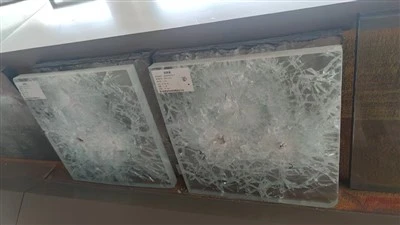
Reaching BR Level3 is a significant milestone in the field of bullet-resistant glass manufacturing. As a BR Level3 supplier, I have witnessed firsthand the rigorous requirements and standards that must be met to achieve this level of protection. In this blog post, I will delve into the key requirements for reaching BR Level3, providing insights into the technical specifications, testing procedures, and quality control measures involved.
Technical Specifications
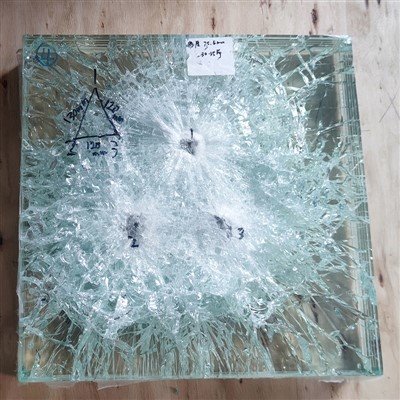
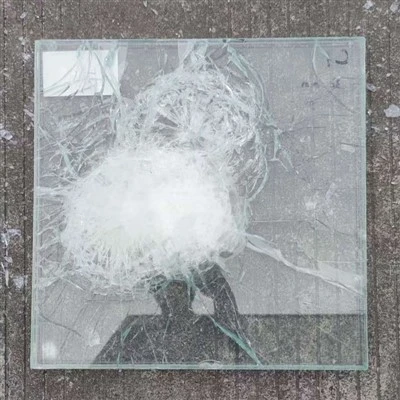
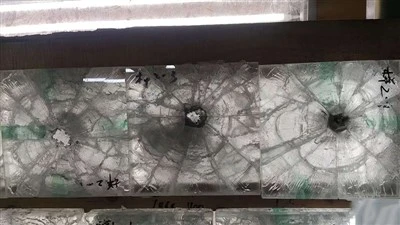
BR Level3 is defined by the EN 1063 standard, which sets out the requirements for bullet-resistant glass based on its ability to withstand specific types of ammunition. To reach BR Level3, the glass must be able to resist the impact of a 9mm full metal jacket (FMJ) bullet fired from a distance of 5 meters at a velocity of approximately 380 m/s. This requires the glass to have a high level of strength and durability, as well as the ability to absorb and dissipate the energy of the bullet upon impact.
The thickness of the glass is a critical factor in determining its bullet-resistant capabilities. For BR Level3, the glass typically has a thickness of between 25 and 32 mm, depending on the specific design and construction of the product. The glass is usually made up of multiple layers of laminated glass, with each layer providing additional strength and protection. The use of high-quality materials and advanced manufacturing techniques is essential to ensure that the glass meets the required standards.
In addition to the thickness and composition of the glass, other technical specifications must also be considered. These include the optical clarity of the glass, which is important for visibility and aesthetics, as well as the resistance to environmental factors such as UV radiation, moisture, and temperature variations. The glass must also be able to withstand the effects of fire and explosion, as well as the impact of flying debris.
Testing Procedures
To ensure that the glass meets the requirements of BR Level3, it must undergo a series of rigorous testing procedures. These tests are designed to simulate real-world scenarios and evaluate the performance of the glass under different conditions. The testing procedures are typically carried out by independent third-party laboratories, which are accredited by national and international standards organizations.
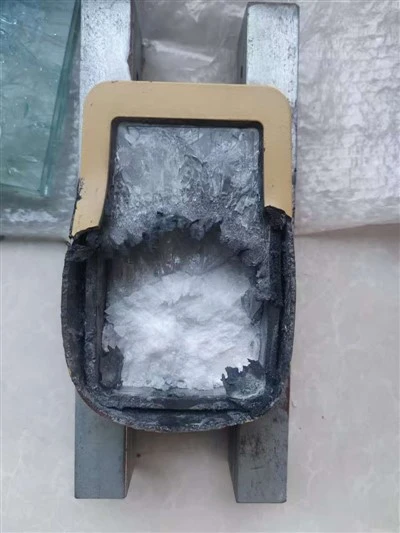
One of the most important tests for BR Level3 glass is the ballistic test. This test involves firing a series of 9mm FMJ bullets at the glass from a distance of 5 meters. The glass is then evaluated based on its ability to stop the bullets and prevent them from penetrating the other side. The test is repeated multiple times to ensure that the glass meets the required standards consistently.
In addition to the ballistic test, the glass must also undergo other tests to evaluate its performance in different areas. These include the optical test, which measures the clarity and transparency of the glass, the environmental test, which evaluates the resistance of the glass to UV radiation, moisture, and temperature variations, and the fire and explosion test, which assesses the ability of the glass to withstand the effects of fire and explosion.


Quality Control Measures
To ensure that the glass meets the requirements of BR Level3, strict quality control measures must be implemented throughout the manufacturing process. These measures include the use of high-quality materials, the implementation of advanced manufacturing techniques, and the rigorous testing of the finished product.
The use of high-quality materials is essential to ensure that the glass has the required strength and durability. The materials used in the manufacturing process must be carefully selected and tested to ensure that they meet the required standards. This includes the use of high-quality glass, as well as the use of advanced laminating materials and adhesives.
The implementation of advanced manufacturing techniques is also important to ensure that the glass is produced to the highest standards. This includes the use of precision cutting and grinding equipment, as well as the use of advanced laminating processes. The manufacturing process must be carefully controlled to ensure that the glass is produced consistently and meets the required specifications.
Finally, the finished product must be rigorously tested to ensure that it meets the requirements of BR Level3. This includes the use of independent third-party laboratories to carry out the testing, as well as the implementation of internal quality control measures to ensure that the product is of the highest quality.
Conclusion
Reaching BR Level3 is a significant achievement in the field of bullet-resistant glass manufacturing. It requires the use of high-quality materials, the implementation of advanced manufacturing techniques, and the rigorous testing of the finished product. As a BR Level3 supplier, I am committed to meeting the highest standards of quality and performance. If you are interested in purchasing BR Level3 bullet-resistant glass, please contact us to discuss your requirements. We will be happy to provide you with more information and to help you select the right product for your needs.