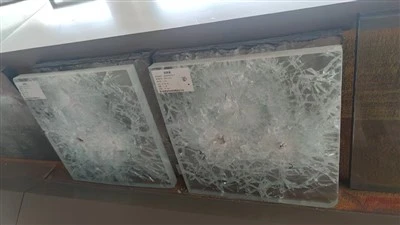
Hey there! I'm a supplier of BR Level3 bullet - resistant glass, and let me tell ya, implementing BR Level3 comes with its fair share of challenges.
A Quick Intro to Bullet - Resistant Levels
Before we dive into the challenges of BR Level3, it's good to have a basic understanding of the different bullet - resistant levels. There are various standards out there, and in this context, I'm talking about the EN1063 standard. We've got BR Level1, which offers the lowest level of protection. It can stop some low - velocity projectiles, but it's not gonna hold up against more powerful guns. Then there's BR Level2, which provides a bit more protection than Level1.
BR Level3 is where things start getting serious. It's designed to withstand a certain number of shots from medium - powered firearms. Above Level3, we have BR Level4 and BR Level5, which offer even higher levels of protection for more high - risk situations.
Technical Challenges
Material Selection
One of the biggest challenges in implementing BR Level3 is choosing the right materials. The glass used in BR Level3 has to be strong enough to stop bullets, but it also needs to be clear enough for visibility. We can't just use any old glass. It has to be a special type of laminated glass, which is made by sandwiching layers of glass and polycarbonate or other polymers together.
Finding the right balance between strength and clarity is tough. If the glass is too thick, it might offer great protection, but it could also distort the view, which is a big no - no, especially in applications like storefronts or security checkpoints. On the other hand, if it's too thin, it won't be able to stop the bullets as required by the BR Level3 standard.
Manufacturing Process
The manufacturing process for BR Level3 glass is also quite complex. It involves precise lamination techniques to ensure that the layers of glass and polymers are bonded together properly. Any air bubbles or imperfections in the lamination can weaken the glass and reduce its bullet - resistant capabilities.
We have to use high - pressure and high - temperature processes to get the layers to bond correctly. This requires specialized equipment and a lot of expertise. If the manufacturing process isn't done right, the glass might not meet the BR Level3 standard, and that's a huge problem for us and our customers.
Installation Challenges
Compatibility with Existing Structures
When it comes to installing BR Level3 glass, compatibility with existing structures is a major challenge. Many buildings were not originally designed to have bullet - resistant glass installed. The frames and support structures might not be strong enough to hold the heavy BR Level3 glass.
We often have to do a lot of structural assessments before installation. Sometimes, we need to reinforce the frames or even make modifications to the building's structure to ensure that it can support the glass. This can be time - consuming and expensive, and it might also cause disruptions to the building's normal operations.
Alignment and Sealing
Proper alignment and sealing of the BR Level3 glass are crucial. If the glass isn't aligned correctly, it can put stress on the edges, which can lead to cracks and reduce its bullet - resistant properties. And a poor seal can allow water, air, and even dust to get in, which can also damage the glass over time.
Installing the glass requires a high level of precision. We have to use special tools and techniques to make sure that the glass is perfectly aligned and sealed. Any mistakes during the installation process can have serious consequences for the performance of the glass.


Cost Challenges
Material Costs
The materials used in BR Level3 glass are expensive. The special laminated glass, polycarbonate, and other polymers are not cheap. And as the demand for bullet - resistant glass increases, the prices of these materials can also go up.
This high material cost is passed on to the customers, which can make BR Level3 glass a less attractive option for some. Many customers are on a tight budget, and they might be looking for more cost - effective solutions, even if it means sacrificing some level of protection.
Installation and Maintenance Costs
In addition to the material costs, the installation and maintenance costs of BR Level3 glass are also significant. As I mentioned earlier, the installation process can be complex and might require structural modifications. This adds to the overall cost.
And maintenance is also important. BR Level3 glass needs to be inspected regularly to make sure that it's still in good condition. Any damage or wear and tear need to be repaired promptly. The cost of these inspections and repairs can add up over time.
Regulatory and Certification Challenges
Meeting Standards
To sell BR Level3 glass, we have to meet strict regulatory standards. The EN1063 standard, for example, has very specific requirements for the performance of bullet - resistant glass. We have to conduct a series of tests to prove that our glass meets these standards.
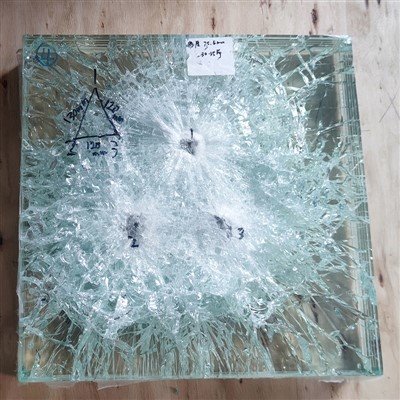
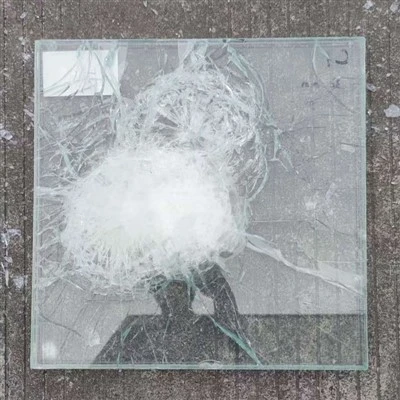
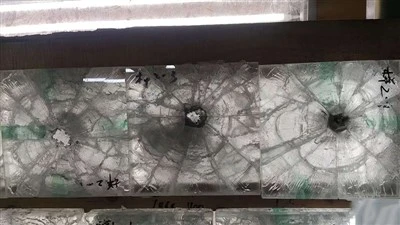
These tests are not easy to pass. They involve shooting the glass with different types of firearms and measuring its ability to stop the bullets. If our glass fails any of these tests, we can't sell it as BR Level3 glass. This means a lot of time and effort has to be put into ensuring that our products meet the standards.
Certification Process
The certification process is also a challenge. We have to work with independent testing laboratories to get our products certified. This process can be time - consuming and expensive. There are a lot of paperwork and documentation requirements, and any mistakes or delays can hold up the certification.
Market Challenges
Competition
The market for bullet - resistant glass is competitive. There are many suppliers out there, offering different levels of protection at different prices. As a BR Level3 supplier, we have to compete with suppliers of other levels of bullet - resistant glass, as well as with other types of security products.
We have to find ways to differentiate our products. This might involve offering better quality, more innovative designs, or better customer service. But it's not easy to stand out in a crowded market.
Customer Awareness
Another market challenge is customer awareness. Many customers don't fully understand the differences between the different bullet - resistant levels. They might not know what BR Level3 glass can offer or why they might need it.
We have to spend a lot of time educating our customers about the benefits of BR Level3 glass. This can be a slow and difficult process, but it's essential if we want to increase our sales.
Wrapping It Up and Reaching Out
So, as you can see, implementing BR Level3 comes with a whole bunch of challenges. From technical and installation issues to cost, regulatory, and market challenges, there's a lot to consider. But despite these challenges, I believe that BR Level3 glass is an important product that can provide a high level of security in many different applications.
If you're interested in learning more about BR Level3 glass or if you're thinking about a purchase, don't hesitate to reach out. We're here to answer your questions and help you find the right solution for your needs.
References
- EN1063 Standard Documentation
- Industry Reports on Bullet - Resistant Glass Market