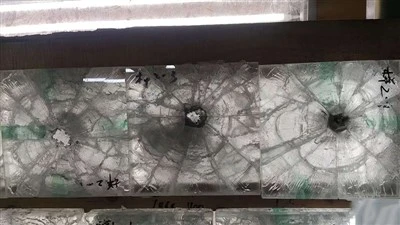
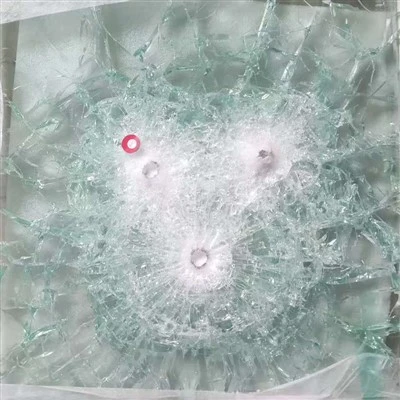
Ballistic glass, also known as bullet - resistant glass, has become an essential component in many security - conscious applications. As a trusted supplier of ballistic glass, I often encounter the question: Is ballistic glass more expensive than regular glass? To answer this question comprehensively, we must delve into the factors that contribute to the cost of both types of glass.
Production Process
Regular Glass
Regular glass, commonly used in windows, doors, and display cases, has a relatively straightforward production process. It is primarily made by melting silica sand, soda ash, and limestone at high temperatures. Once the molten mixture is obtained, it can be shaped through methods like float glass production, where the molten glass is poured onto a bed of molten tin to create a flat and smooth surface.
This simple manufacturing process allows for large - scale production at a relatively low cost. Factories can produce vast quantities of regular glass in a short time, which significantly drives down the unit price. Moreover, the raw materials for regular glass are abundant and inexpensive, further contributing to its affordability.
Ballistic Glass
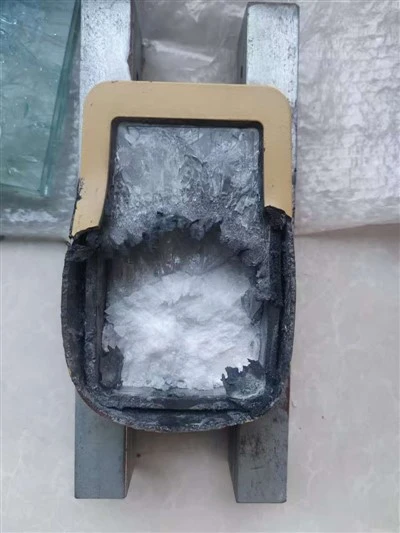
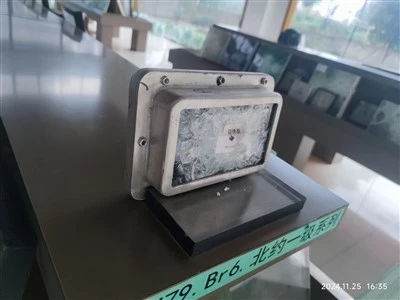
Ballistic glass, on the other hand, is a complex composite material. It is typically composed of multiple layers of glass and polycarbonate or other polymers. The layers are carefully bonded together using specialized adhesives. The purpose of these multiple layers is to absorb and disperse the energy of a bullet upon impact.
The production process of ballistic glass involves strict quality control measures. Each layer must be precisely cut, polished, and bonded to ensure uniformity and optimum performance. The laminating process often requires high - pressure autoclaves, which add to the production cost. Additionally, the raw materials used in ballistic glass, such as high - quality polycarbonate sheets, are more expensive than those for regular glass.


Performance and Durability
Regular Glass
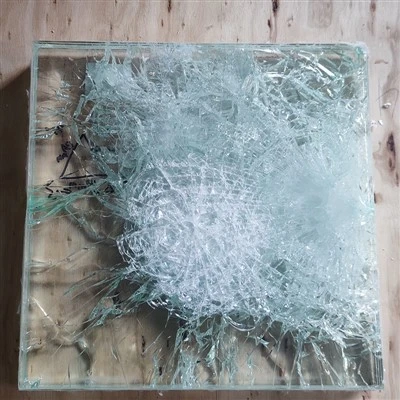
Regular glass offers basic transparency and protection from the elements. It provides a visual barrier and can keep out wind, rain, and dust. However, it has limited strength and is easily shattered by relatively small impacts. A simple rock or accidental collision can cause it to break into sharp pieces, posing a safety risk.
Ballistic Glass
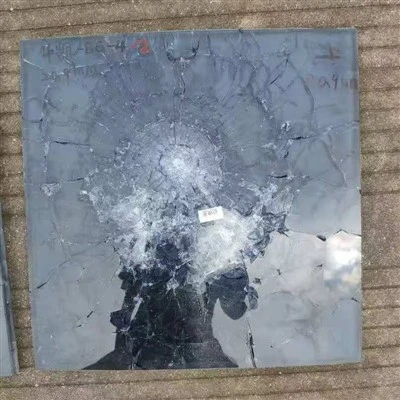
Ballistic glass is designed to withstand high - energy impacts, including bullets from various firearms. It can be engineered to meet different ballistic resistance levels, such as Stanag 4569 Level 1, Stanag 4569 Level 2, Stanag 4569 Level 3, and Stanag 4569 Level 4. These levels are defined by international standards and specify the type of ammunition the glass can resist.
The enhanced performance of ballistic glass comes at a price. The research and development required to achieve these high - performance levels are substantial. Manufacturers invest a great deal of time and resources in testing and improving the glass's ability to stop bullets without shattering completely. Also, ballistic glass has a longer lifespan compared to regular glass in high - risk environments. It can withstand repeated minor impacts and harsh conditions, which means fewer replacements over time.
Applications
Regular Glass
The applications of regular glass are vast and widespread. It is used in residential buildings for windows and doors, in commercial establishments for storefronts and display cases, and in automotive windshields. These applications generally do not require a high level of security, so the lower cost of regular glass makes it a practical choice.
Ballistic Glass
Ballistic glass is mainly used in applications where security is a top priority. It is installed in banks, government buildings, military vehicles, and high - security residences. In these settings, the cost of installing ballistic glass is offset by the added security it provides. For example, in a bank, the use of ballistic glass can prevent robberies and protect the lives of employees and customers. In military vehicles, it can shield soldiers from enemy fire.
Cost Analysis
Taking all these factors into account, it is clear that ballistic glass is more expensive than regular glass. The price difference can be significant, often ranging from several times to dozens of times the cost of regular glass. However, when considering the total cost of ownership, the picture becomes more nuanced.
For applications where security is not a concern, the high cost of ballistic glass is unnecessary. Regular glass can meet the requirements at a fraction of the price. But for those in high - risk environments, the investment in ballistic glass is justifiable. The long - term benefits of security, durability, and reduced replacement costs can outweigh the initial high cost.
Market Trends
The demand for ballistic glass has been increasing in recent years. With the rise in global security threats and an increasing awareness of safety, more and more organizations and individuals are looking for effective security solutions. This growing demand has led to some improvements in the production technology of ballistic glass, which has, to some extent, helped to control the cost.
However, as the technology advances, the performance requirements for ballistic glass are also becoming more stringent. Newer levels of protection are being developed, which may require even more advanced materials and production processes. This could potentially lead to further increases in the cost of high - end ballistic glass.
Conclusion
In conclusion, ballistic glass is indeed more expensive than regular glass. This price difference is due to the complex production process, high - performance requirements, and specialized applications of ballistic glass. As a supplier of ballistic glass, I understand that cost is an important consideration for our customers. However, I also believe that in situations where security is of utmost importance, the investment in ballistic glass is a wise one.
If you are considering purchasing ballistic glass for your security needs, I encourage you to contact our sales team. We can provide you with detailed product information, offer customized solutions based on your specific requirements, and give you a competitive price quote. Our experienced team can guide you through the selection and installation process to ensure you get the best ballistic glass solution for your situation.
References
- Encyclopedia of Glass Science, Technology, History, and Culture
- "Bullet - Resistant Glass Performance and Design" research papers from relevant scientific journals
- Industry reports on the glass manufacturing and security industry